Description
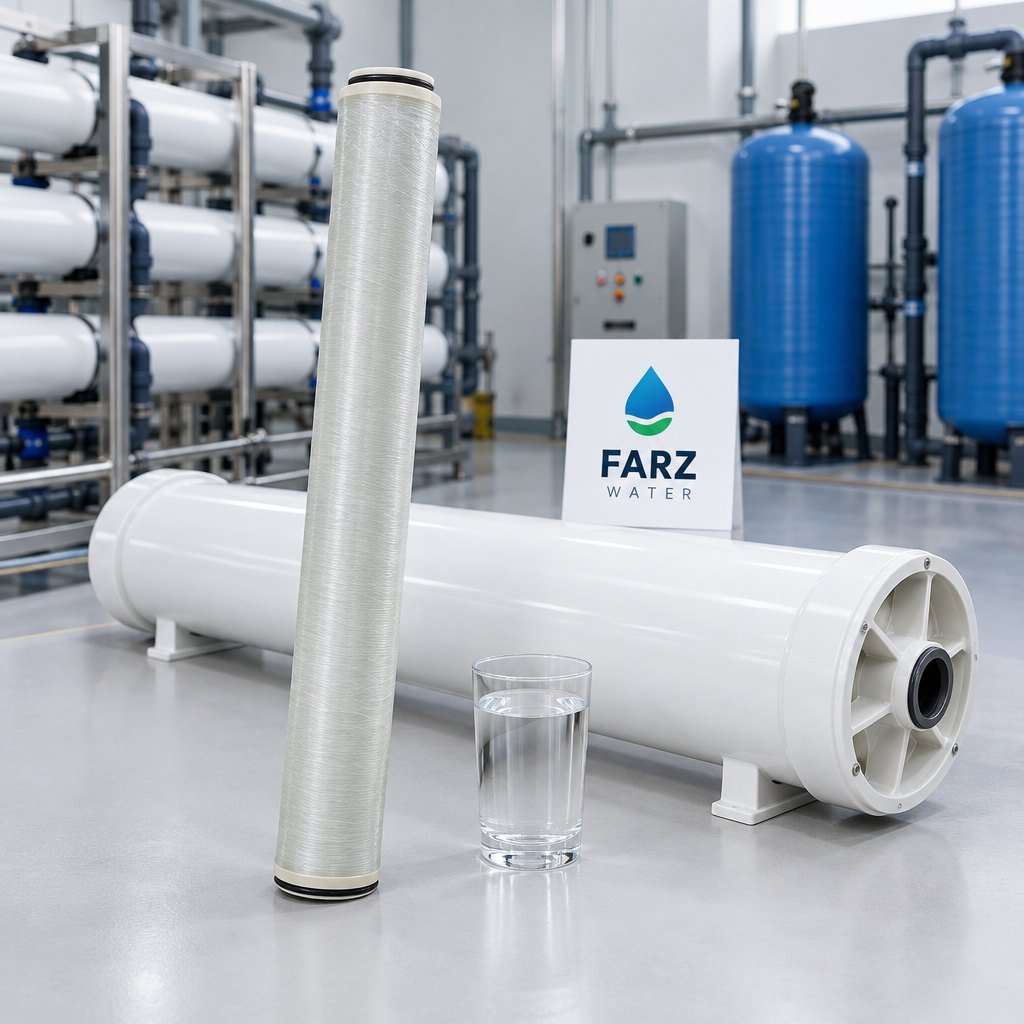
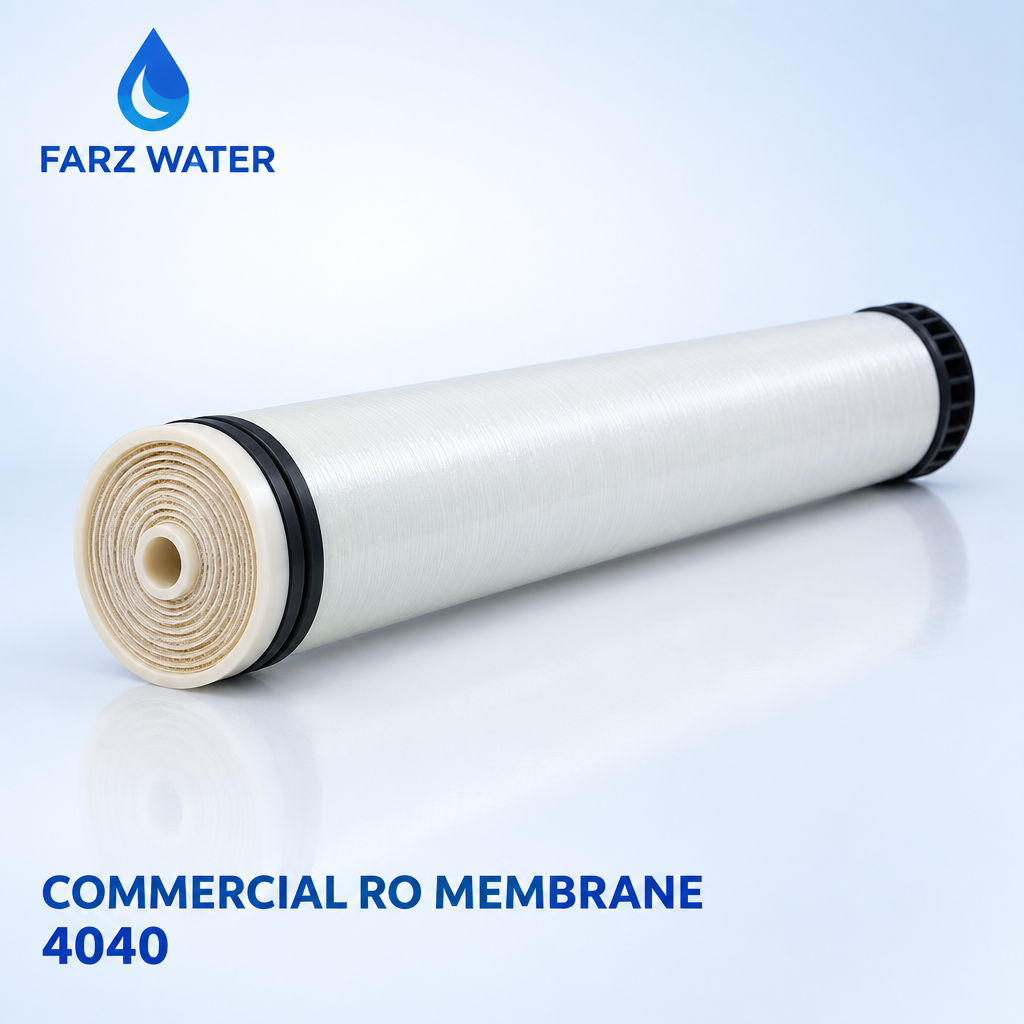
The Nanofiltration Membrane 4040 is a 4-inch by 40-inch spiral-wound element that sits between ultrafiltration and reverse osmosis in terms of separation. It removes most hardness (calcium and magnesium), sulphate, colour, organic matter and many micro-pollutants, while allowing a portion of monovalent salts such as sodium chloride to pass. It runs at noticeably lower pressure than RO, saving energy.
It is chosen when you want softened, cleaner water without fully demineralising it.
When to choose nanofiltration
- Membrane softening of hard well water without salt regeneration
- Removal of colour and natural organic matter
- Sulphate reduction for process and cooling water
- Partial desalination where some minerals should remain
- Pre-treatment to reduce scaling on downstream RO
Nanofiltration vs reverse osmosis
An RO membrane rejects almost all dissolved salts, producing very low TDS water. A Nanofiltration Membrane 4040 has a slightly more open structure. It rejects divalent ions like calcium, magnesium and sulphate very well, but passes a share of sodium and chloride. The result is water that is soft and clean but still contains some minerals, which can be useful for irrigation, some beverages and process applications. Because NF needs lower pressure, pump and energy costs are lower.
Key features
- Thin-film composite nanofiltration membrane
- Standard 4″ x 40″ size for 4040 pressure vessels
- High rejection of hardness and sulphate
- Lower operating pressure than brackish RO
- Available from leading manufacturers
Typical specifications
| Size | 4 inch x 40 inch |
| Type | Nanofiltration, TFC |
| MgSO4 rejection | Typically 97%+ at test conditions |
| NaCl rejection | Partial (model dependent) |
| Max operating pressure | Approx. 41 bar |
| Max feed temperature | 45 °C |
Exact rejection and flow depend on model. We share the datasheet and a design projection with each proposal.
Applications in Oman
Many wells in Oman carry high hardness and sulphate that scale pipes and equipment. Nanofiltration can treat this water with less energy than RO and without the brine disposal load of salt-regenerated softeners. We evaluate your water analysis to decide whether NF, RO or a combination gives the best result. See more in our membranes range and commercial and industrial plants.
Maintenance
Like RO elements, NF membranes need good pre-filtration, antiscalant where required, and periodic cleaning. Typical life is 3 to 5 years. Learn more about the technology on Wikipedia.
Frequently asked questions
Can I swap RO elements for NF in my plant? Sometimes, but the pump, recovery and output will change. We recommend a design check first.
Is NF water drinkable? It can be, depending on feed water. We test and advise case by case.
Get a quote for Nanofiltration Membrane 4040
Share your water analysis and goals, and Farz Water will advise. Contact us or call / WhatsApp +968 9455 4533.


Reviews
There are no reviews yet.